The Swedish Lutheran theologian, Gustav Aulen, published a seminal work on the types of atonement theory in 1930 (Christus Victor).
Though time and critical studies have suggested many subtler treatments
of the question, no one has really improved on his insight. Especially
valuable was his description of the “Classic View” of the atonement.
This imagery, very dominant in the writings of the early Fathers and in
the liturgical life of the Eastern Church, focused on the atonement as
an act of invasion, the smashing of gates and bonds, and the setting
free of those bound in hell. Aulen clearly preferred this imagery and is
greatly responsible for its growing popularity in some segments of
Western Christendom.
The language of the Classic View was obscured in the West by the
later popularity of propitiatory suffering (and the various theories
surrounding it). Aulen claimed that Luther tended to prefer this older
imagery. I had opportunity to do a research paper in grad school on the
topic. I surveyed all of the hundreds of hymns written by Luther and
analyzed them for their atonement theology. All but about two used the
Classic View. Aulen seems to have been right.
In Orthodoxy, this imagery is the coin of the realm in the hymns
surrounding Pascha. All of Holy Week is predicated on the notion of
Christ’s descent into hell and His dynamic actions in destroying death
and setting free those held in captivity. St. John Chrysostom’s great
Paschal Homily, read in every Orthodox Church on the night of Pascha, is
an “Ollie, Ollie, in come free!” of salvation
I have written on this topic before. I thought, however, to share
some of the verses from the hymns of the Matins of Holy Saturday. Their
language is a pure expression of the spirit of Orthodox Pascha and the
atonement teaching of the Fathers.
Hell, who had filled all men with fear,
Trembled at the sight of Thee,
And in haste he yielded up his prisoners,
O Immortal Sun of Glory!
Thou hast destroyed the palaces of hell by Thy Burial, O Christ.
Thou hast trampled death down by thy death, O Lord,
And redeemed earth’s children from corruption.
Though thou art buried in a grave, O Christ,
Though Thou goest down to hell, O Savior,
Thou hast stripped hell naked, emptying its graves.
Death seized Thee, O Jesus,
And was strangled in Thy trap.
Hell’s gates were smashed, the fallen were set free,
And carried from beneath the earth on high.
O Savior, death’s corruption
Could not touch Thy holy flesh.
Thou hast bound the ancient murderer of man,
And restored all the dead to new life.
Thou didst will, O Savior,
To go beneath the earth.
Thou didst free death’s fallen captives from their chains,
Leading them from earth to heaven.
In the earth’s dark bosom
The Grain of Wheat is laid.
By its death, it shall bring forth abundant fruit:
Adam’s sons, freed from the chains of death.
Wishing to save Adam,
Thou didst come down to earth.
Not finding him on earth, O Master,
Thou didst descend to Hades seeking him.
O my Life, my Savior,
Dwelling with the dead in death,
Thou hast destroyed the iron bars of hell,
And hast risen from corruption.
These examples could be multiplied many times over. The section of
Matins from which these are taken has over 100 verses! Orthodox Holy
Week and Pascha has many ways of acting out this theology. Lights go up
at the hint of victory, particularly as we sing the Song of Moses
celebrating the drowning of Pharaoh’s army. In some parishes, bay leaves
are tossed in the air by the priest in a fairly violent and joyous
celebration of the victory. In yet others, at certain points during the
Vesperal Liturgy of Pascha, loud noises such as the banging of pots and
pans are heard as the liturgy describes the smashing of hell’s gates.
There’s is one village in Greece where two parishes have developed a
custom of firing rocket fireworks at each other in the Paschal
celebration.
Such antics completely puzzle the non-Orthodox and even seem comical.
The Paschal celebration in Orthodoxy is far more akin to the wild
street scenes in American cities when the end of World War II was
announced – and for the same reason!
All of this also explains why many Orthodox are very reluctant to
engage in “who’s going to hell” discussions with other Christians
(though some Orthodox sadly seem to relish the topic). The services of
Holy Week, as illustrated in these verses, are filled with references to
hell. I daresay that no services elsewhere in all of Christendom make
such frequent mention of hell. But the language is just as illustrated
above. It’s all about smashing, destruction and freedom. It is the
grammar of Pascha. It is the grammar of Christianity itself.
Hell is real. Jesus has come to smash it. It is the Lord’s Pascha. It is time to sing and dance.


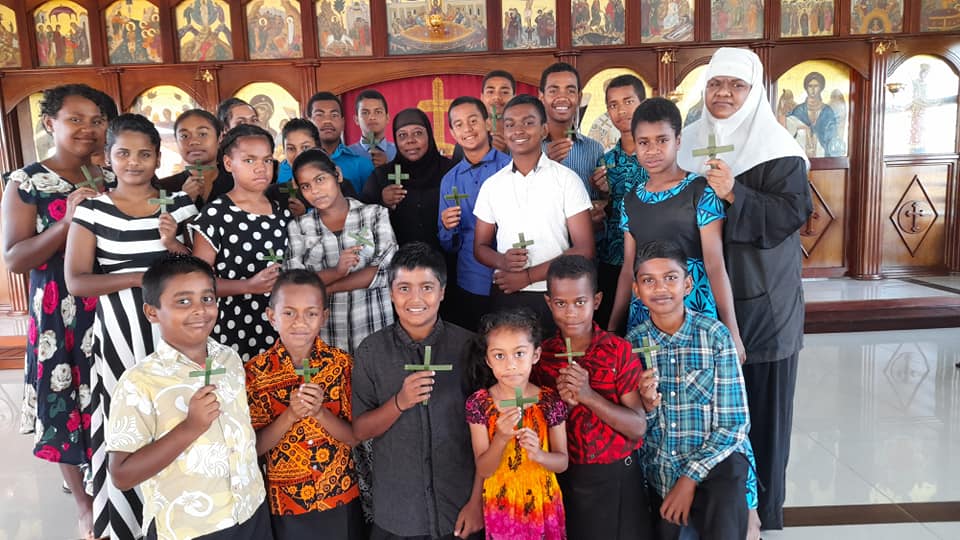
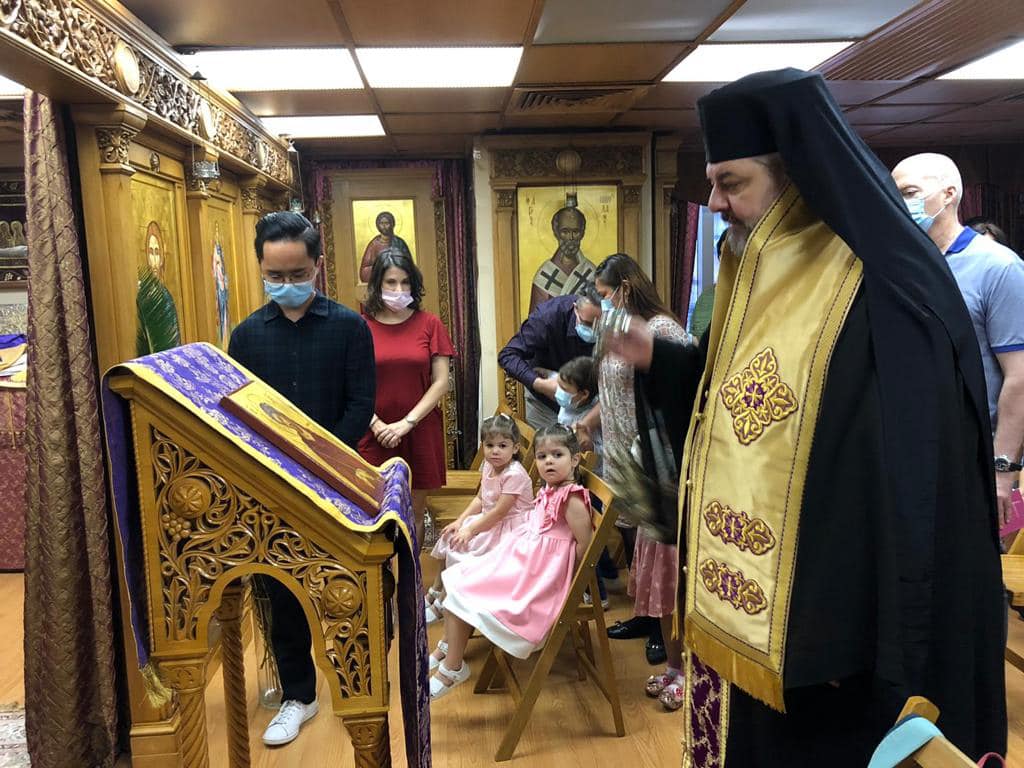
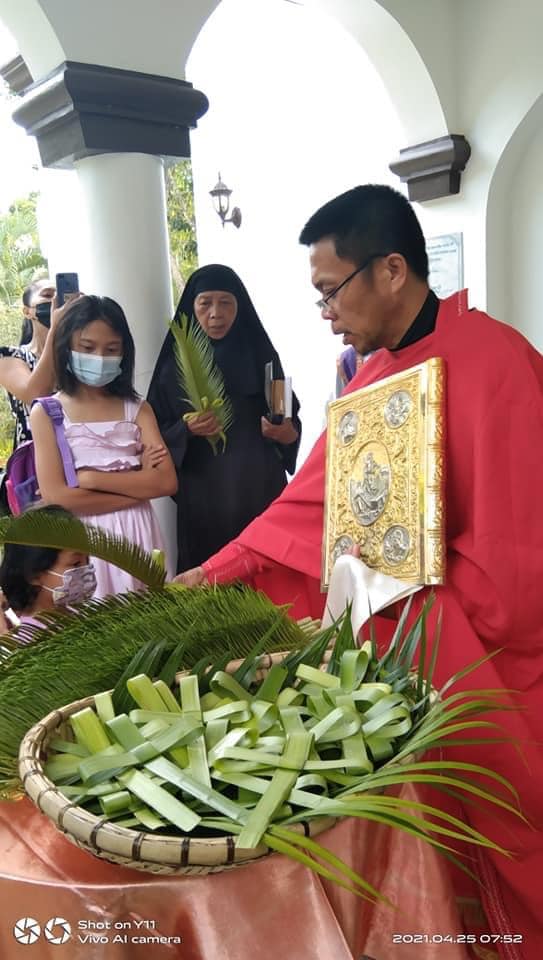
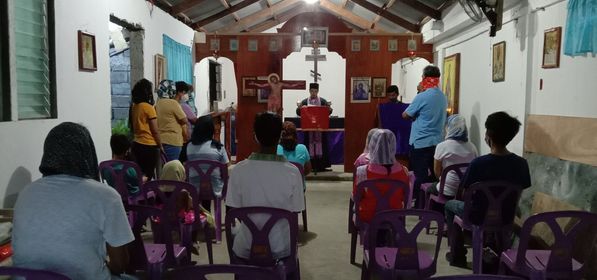
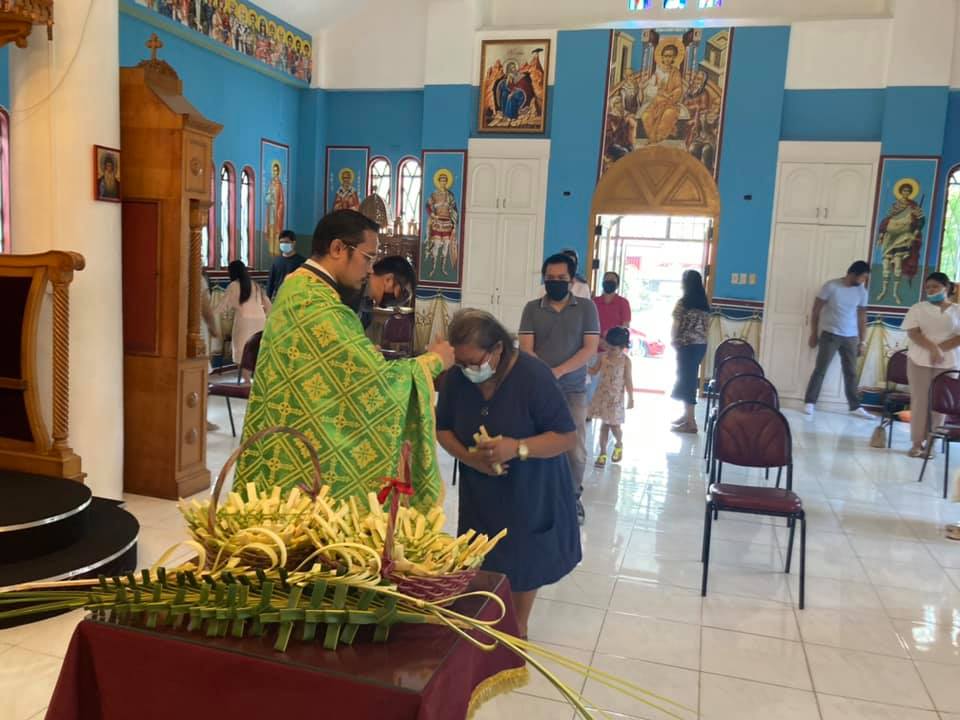
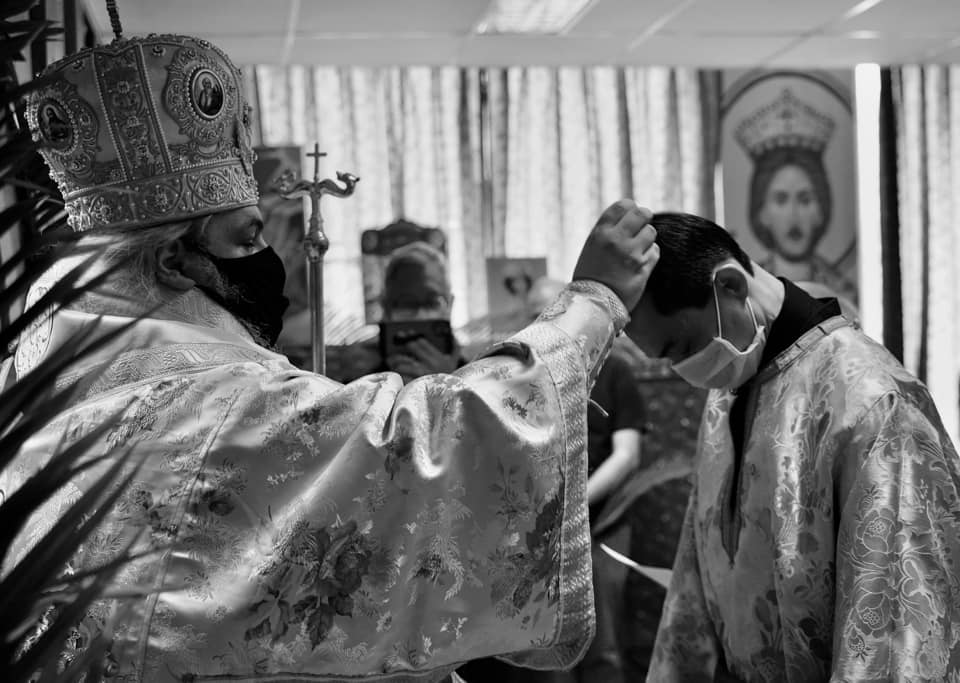
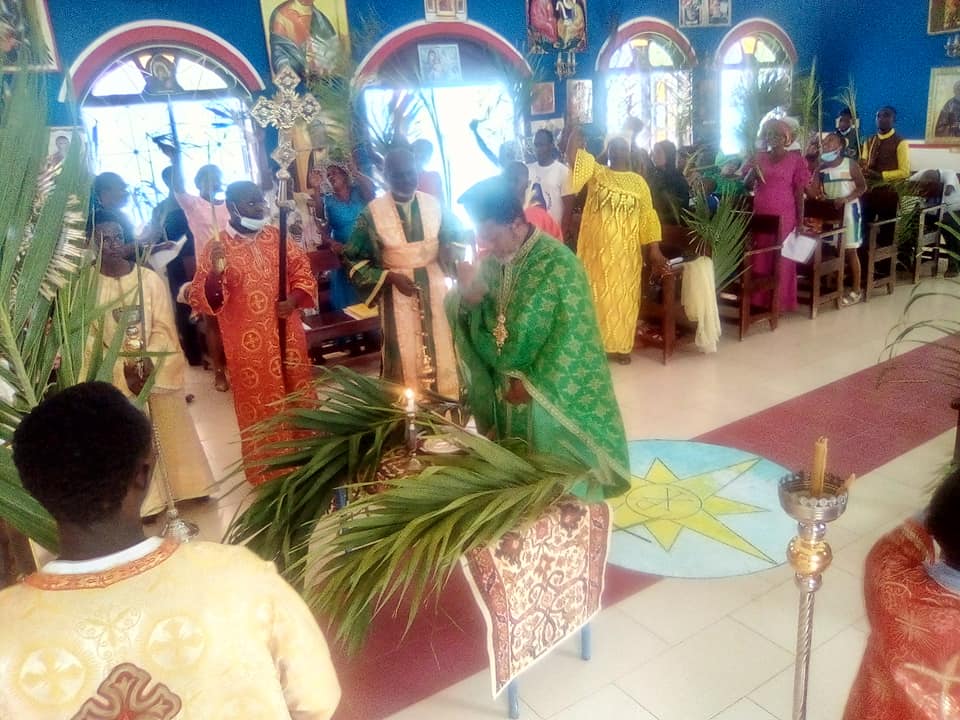
 Sunday at St. Dimitros Orthodox Church, Bwetyaba in Luweero district.
Fr. Antonios Mutyaba led the service. HOSANNA WAGULU ENNYO!!
Sunday at St. Dimitros Orthodox Church, Bwetyaba in Luweero district.
Fr. Antonios Mutyaba led the service. HOSANNA WAGULU ENNYO!!